Trust
A raptor returns because the relationship, training, and conditions make returning worthwhile.


Falconry
Falconry is the practice of hunting with trained birds of prey, but at its best it is also a disciplined relationship built on trust, patience, and respect.
What It Is
Falconry asks a human handler to understand the bird first: weight, weather, attention, appetite, confidence, and condition all matter. The bird is not a prop. It is a partner whose welfare shapes every decision.
That is why OSF programs focus on more than the thrill of being close to a raptor. Guests learn how birds are trained, why equipment matters, how telemetry keeps birds safe, and how falconry connects to conservation and responsible land stewardship.
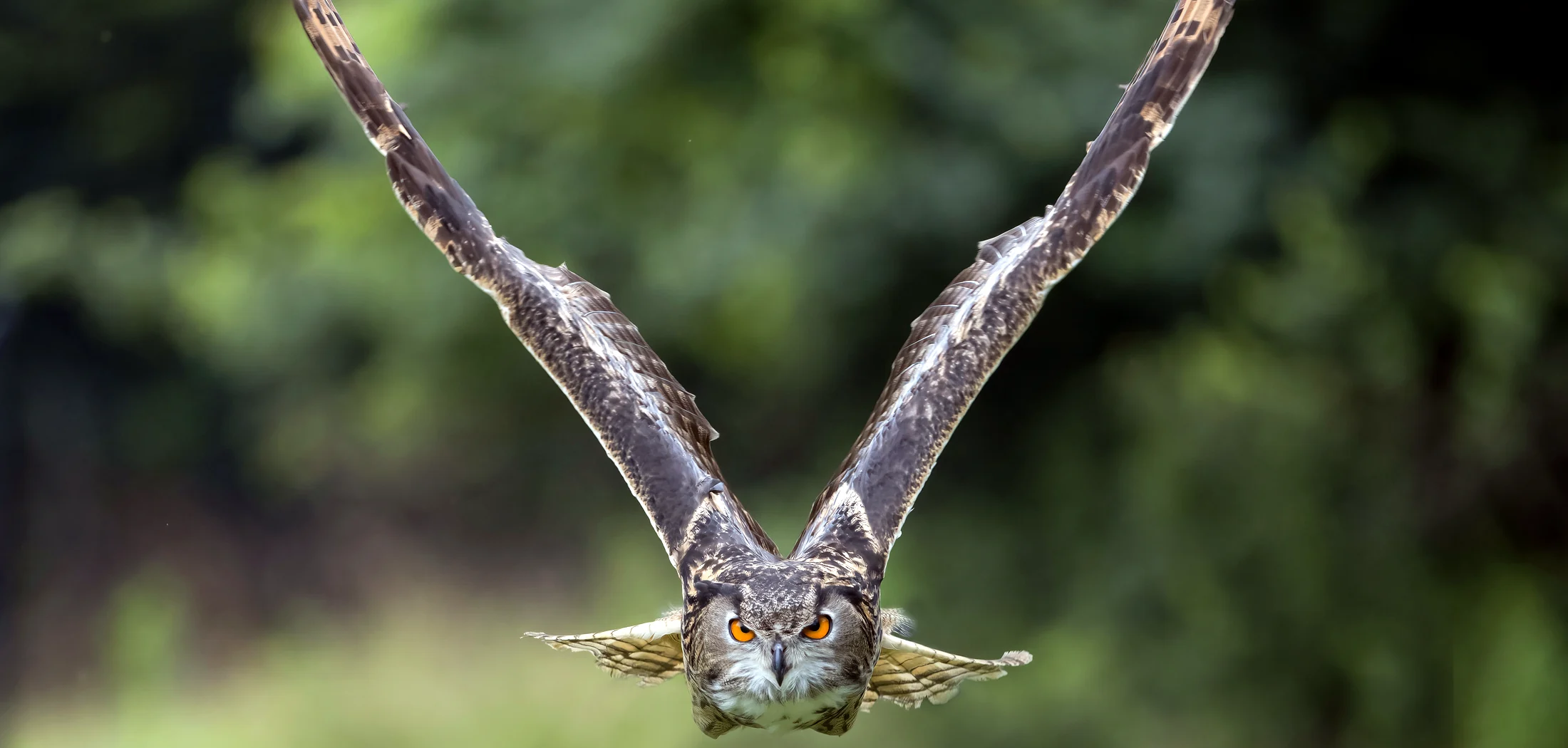
Falconry has deep roots across Asia, the Middle East, Europe, and North Africa, and it has been practiced for centuries as both a hunting method and a cultural art.
The phrase "sport of kings" points to one part of that history, but falconry has always depended on practical fieldcraft: reading terrain, understanding prey, caring for the bird, and building a bond that cannot be rushed.
A raptor returns because the relationship, training, and conditions make returning worthwhile.
Falconry blends ecology, weather, quarry behavior, equipment, and patient observation.
Modern falconry is regulated, permit-based, and centered on humane care and safe handling.
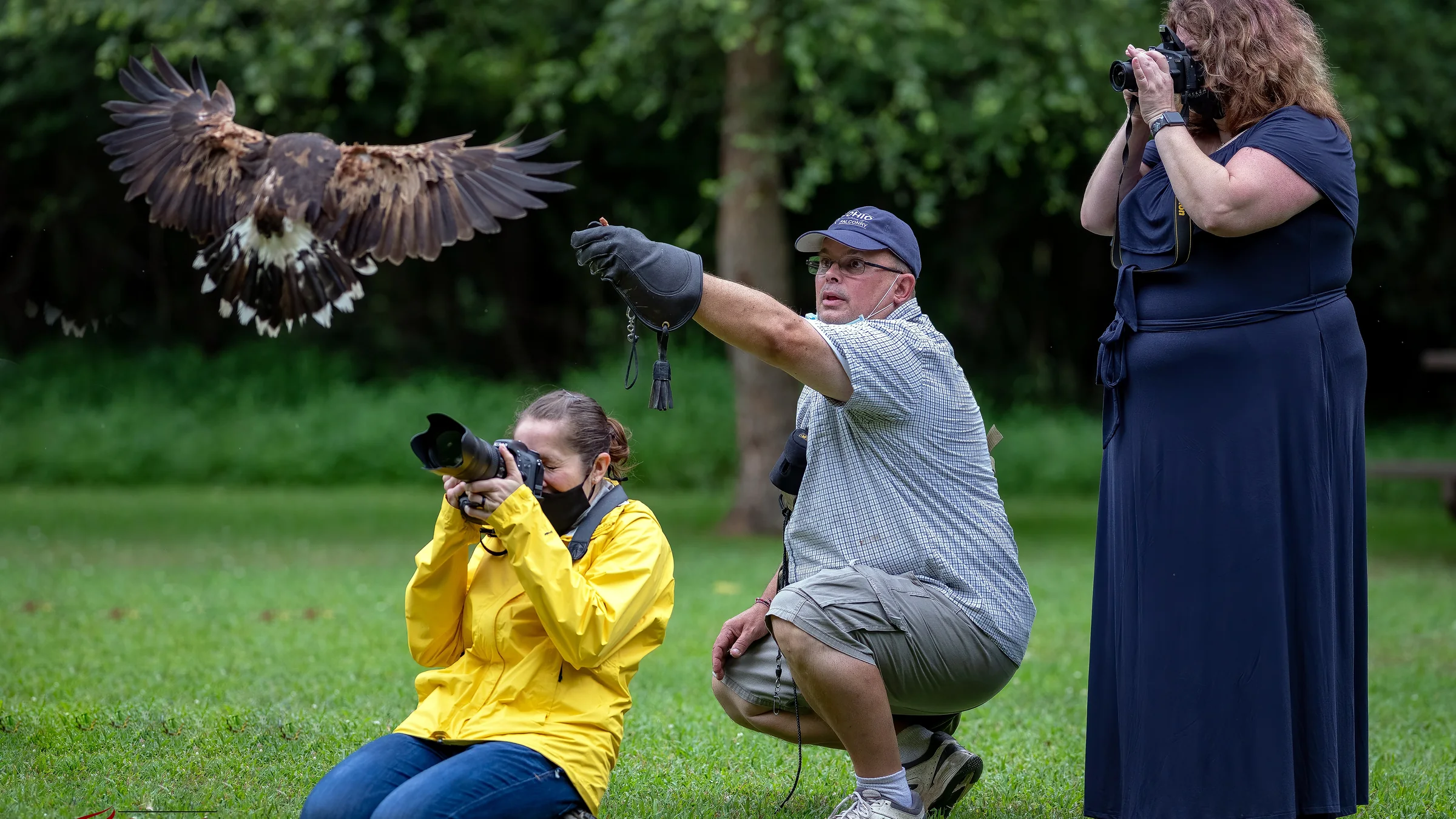
At OSF
Ohio School of Falconry introduces guests to the history and skills of falconry while keeping the focus on bird welfare. A great encounter should feel close and memorable, but it should also leave people with sharper questions about wildlife, habitat, and conservation.
Browse programs or request a date for your group.